
Japanese Culture – The country of cherry blossoms is renowned for its kindness, but foreigners frequently experience culture shock due to the rigidity of its culture and traditions.
Read also:
T-mates, you need to remember that Japan is a country with a relatively dense culture, so that you don’t get lost: when on vacation in Tokyo or Osaka, it would be a good idea to familiarize yourself with Japanese customs before traveling there.
View the Most Recent Terms for Japan
As of 10 June 2022, the following regulations must be followed if t-mates wish to have a trip to Japan:
- A full dose or booster vaccination is required for all travelers at least 14 days prior to departure
- Shows a negative RT-PCR test result 3×24 hours prior to departure using this format
- To get a certificate, t-mates need to submit an application for a short-stay visa to a Recipient and Guarantee Institution in Japan that is registered in the ERFS System and applies through a Japanese travel agency
- Please note that tourist travel to Japan without a guarantee from a Japanese travel agency as the accepting agency is still prohibited
- Tourist are required to download the MySOS smartphone application and complete their online questionnaire
- To enter Japan, tourists are also required to visit Japan Webpage and obtain a QR code
- For further information, please read the following Embassy of Japan’s website and this page
Some Japanese Culture You Should Know
Japan’s rich culture and customers are a major tourism draw for international visitors. Those of you who wish to take a holiday in the land of the rising sun should take note of and remember the following information in order to be familiar with the local customs.
1. Greetings
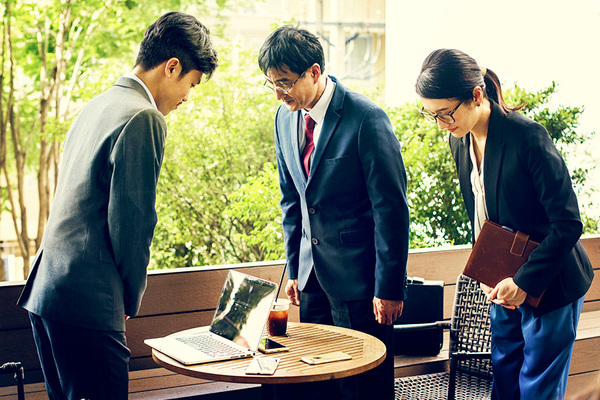
For the Japanese, bowing is a sign of greeting and apology to the other person. This is also one of the body movements used to show respect for a senior. When appropriate, don’t forget to say hello and thank you. You may say ohayo gozaimasu in the morning, sayonara when saying goodbye, and arigato gozaimasu when expressing gratitude.
2. While Eating
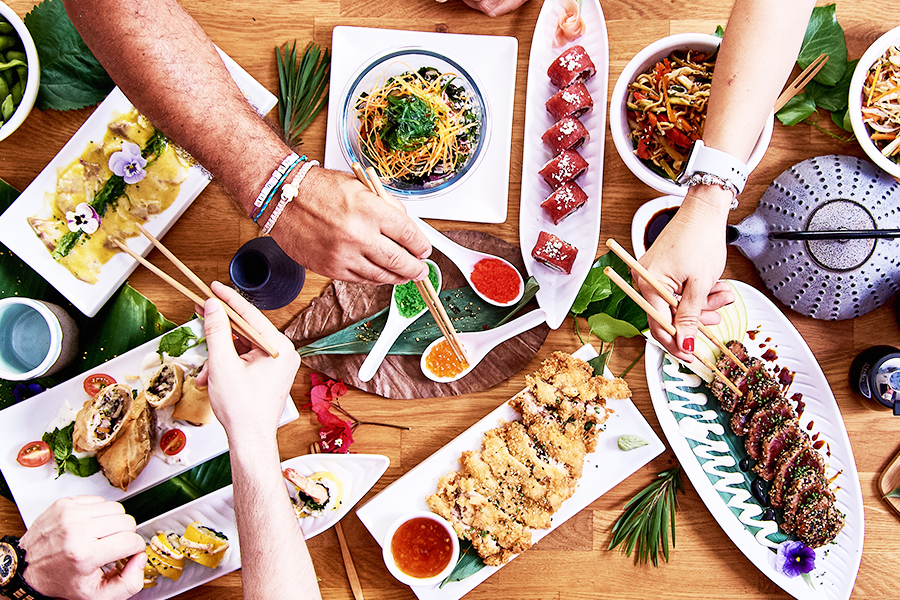
In general, Japanese people always eat using chopsticks. If you wish to handle chopsticks like a Japanese person, remember not to poke food with them or use them to point at anything.
In addition, making a sound while consuming ramen and soup means that you are enjoying the dish. So that the person presenting it will feel as if they have received a compliment. Another thing to note is that sushi prepared in the Japanese tradition is actually eaten with the hands.
Lastly, restaurants and pubs in Japan provide hot towels for hand washing, T-mates, remember to not to use it to wipe your face, ya!
3. Visiting Homes in Japan
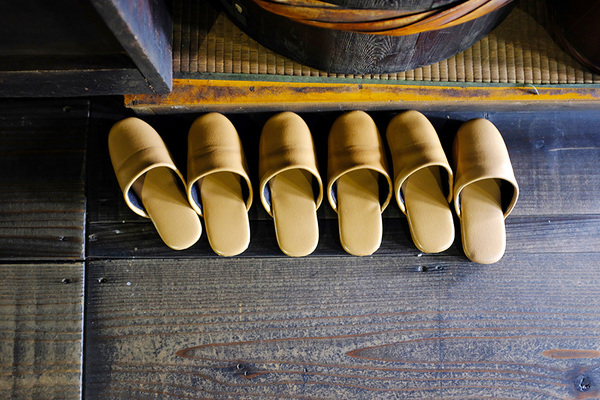
Similar to Indonesia, you should remove your shoes before entering the house in Japan and replace them with house slippers.
However, if you enter a room with a traditional floor called tatami, you must also remove your house slippers, t-mates. This is true not only when visiting Japanese homes, but also in some Japanese restaurants.
Some Japanese homes even give special slippers for entering the restroom, so pay attention to those details! ?
4. Sitting Seiza
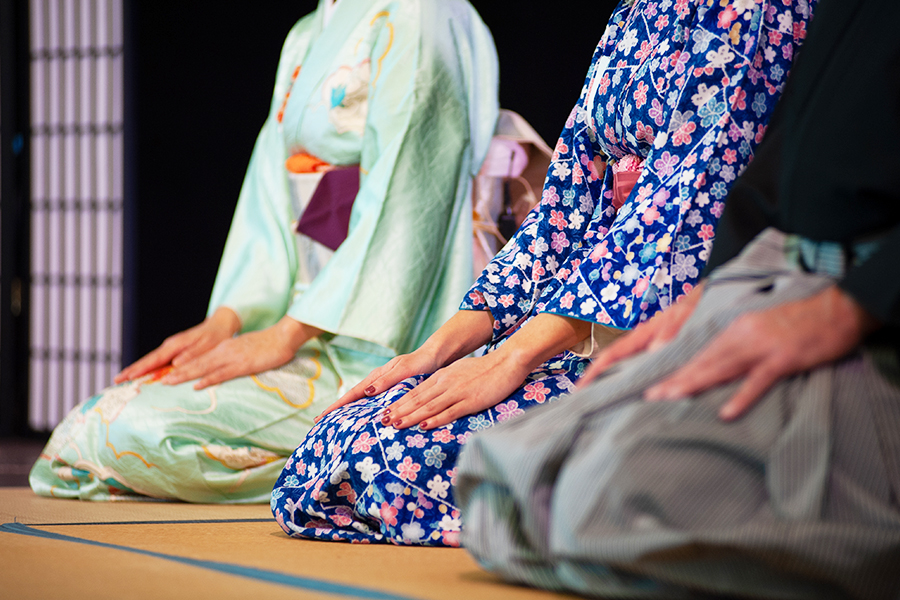
Sitting in the Japanese style, also known as Seiza, is one of the Japanese customs you must learn. Seiza means “sit properly” in Japanese. Place your knees on the floor, rest your buttocks on the tops of your feet, and make sure that your feet are flat on the ground. Those of you who have never tried it before may experience a tingling sensation, so don’t be startled by that,
Seiza sitting is typically observed for ceremonial occasions such as Japanese funerals, tea ceremonies, and when entering a room with a tatami mat.
5. Pouring Water
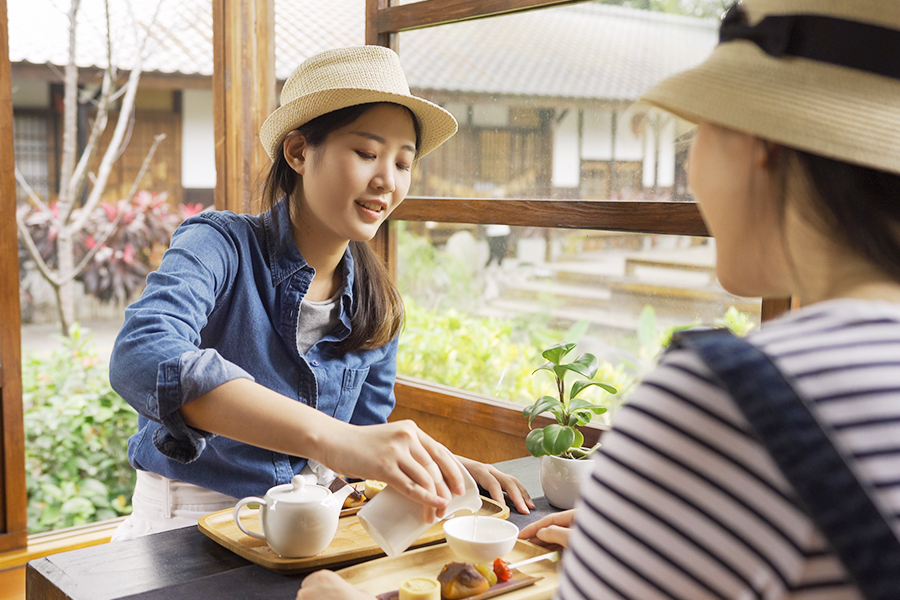
Japan is renowned for its custom of drinking tea and sake with friends and business partners alike. The Japanese enjoy pouring tea water into others’ cups. This custom is nearly identical to the custom in South Korea.
Even if you don’t enjoy tea or other beverages, you shouldn’t leave your glass empty. Because you are requesting to add the beverage’s contents.
6. Maintaining Clean
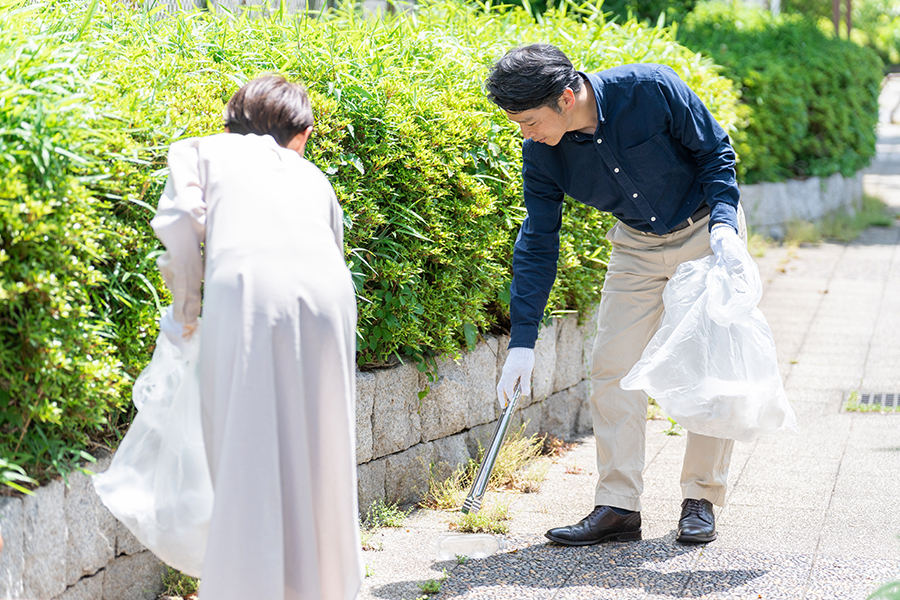
Renowned for its dense culture, it is not unexpected that its residents are particularly concerned about maintaining a clean environment. You will have a difficult time discovering trash and unclean areas there. For them, putting trash in its proper location has become a habit.
Even when it is difficult to locate a trash can, people prefer to bring their trash home and dispose of it there rather than discard it recklessly. You must become accustomed to preserving cleanliness in your own country and in the country of others.
7. Taxi Transportation
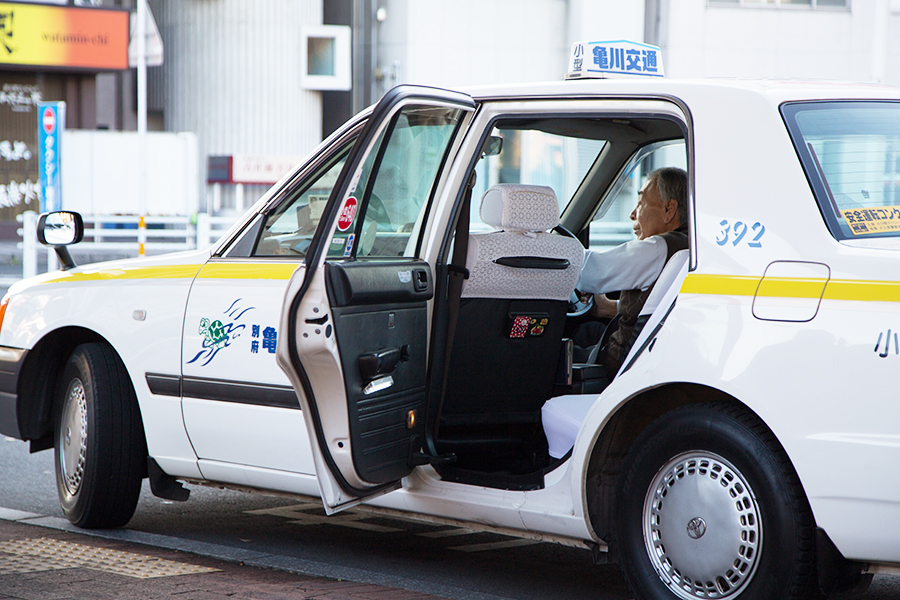
In the United States, tipping is customary and expected; yet, in Japan it is inappropriate. Tipping a waiter or anyone else is viewed as impolite by the Japanese.
Moreover, if you intend to take a taxi in Japan. There are details that require your notice, such as the fact that the taxi door automatically closes and opens.
8. Community Bath
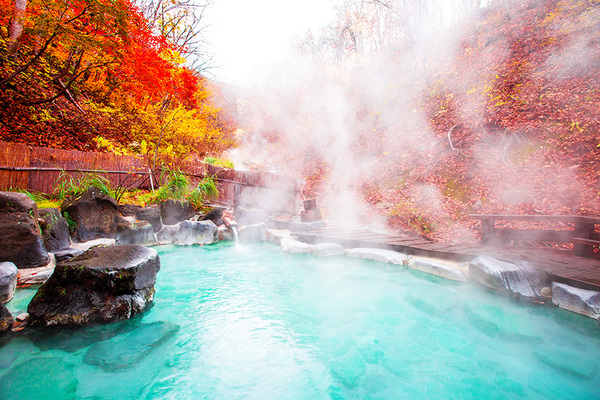
There are numerous spas and public baths dispersed throughout Japan. This sento or onsen is a place for relaxation and unwinding. Before taking a bath, you must wash your body parts.
If you feel uncomfortable bathing in the presence of others and without clothing, you should avoid public baths.
Plan to Have Vacation to Japan? Book Tickets at tiket.com!
Those are some Japanese traditions and culture that you should know before traveling to this cherry blossom country. Those who wish to travel to Japan on vacation can purchase tickets through the tiket.com application. You can get cheap discounts every day and many choices of destinations and places to stay.
Your vacation will be safer and more comfortable because you can get free insurance* from Free Protection. Don’t delay and invite your loved ones to enjoy the holidays!
going anywhere? tiket.com!
*Information valid at the time this article was written. Terms & Conditions applied.